
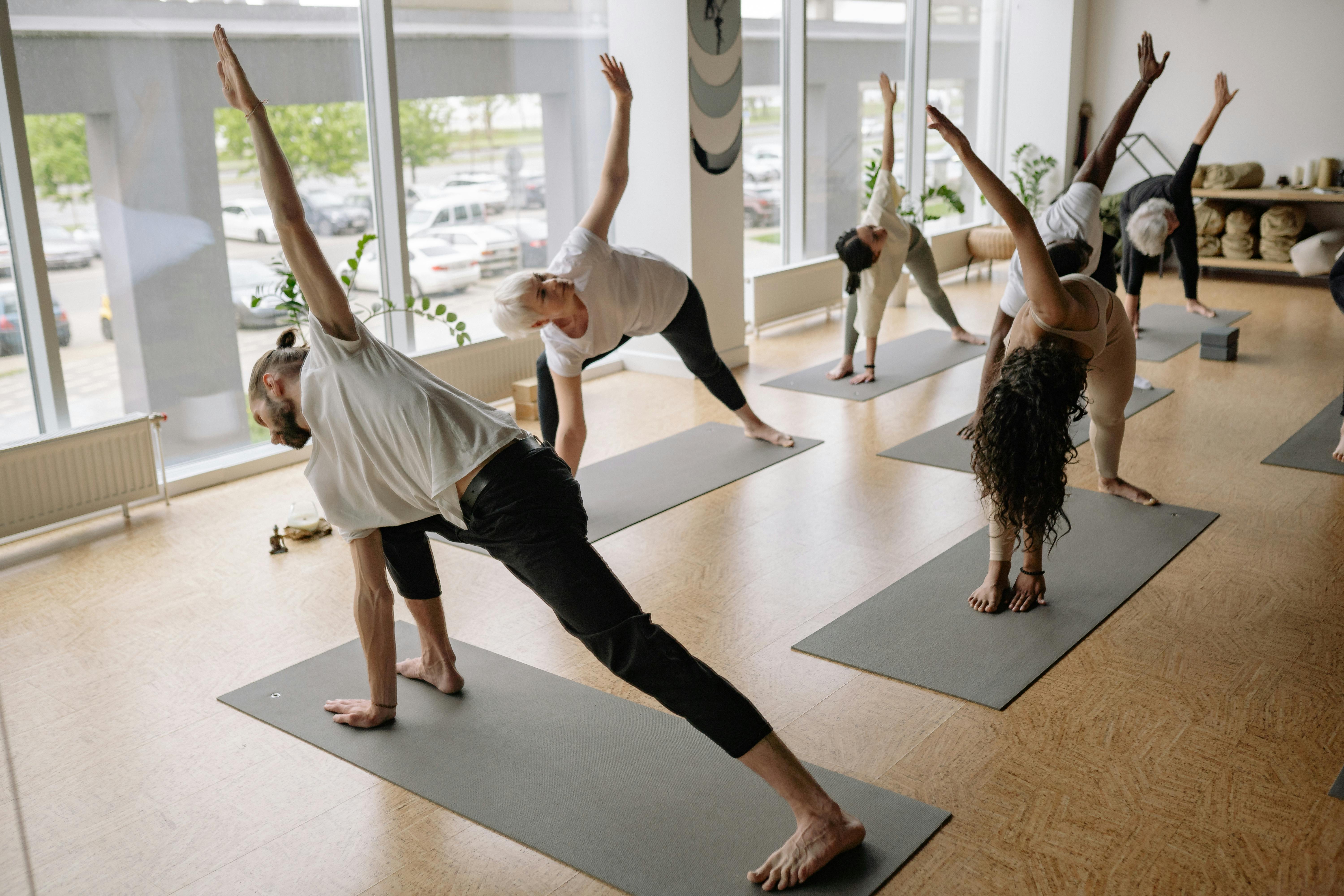
Discover the future of your practice! In 2026, AI-powered personalized yoga and biofeedback integration are revolutionizing how we connect with our bodies and minds. Explore smart yoga mats, intelligent apps, and advanced wearables designed to optimize your flow, prevent injuries, and deepen your practice. We compare the leading solutions to help you choose the best yoga tech for your wellness journey and purchasing intent.
Introduction to the Topic
Welcome to 2026, where the ancient wisdom of yoga harmonizes seamlessly with cutting-edge technology. The era of one-size-fits-all yoga classes is gracefully evolving, giving way to an unprecedented level of personalization. Today, the trending topic sweeping the wellness world is AI-powered personalized yoga, integrated with real-time biofeedback. Imagine a practice that understands your unique physiology, adapts to your energy levels, and guides you with precision tailored specifically for you. This isn't science fiction; it's the reality for millions seeking a deeper, safer, and more effective yoga journey. As an editor at thesacredvibes.com, we've witnessed this transformative shift firsthand, and we're here to guide you through the exciting landscape of intelligent yoga technology.
This revolution is driven by advancements in artificial intelligence, sophisticated sensor technology, and biometric data analysis. Whether you're a seasoned yogi looking to refine intricate poses or a beginner aiming to build a strong foundation without injury, AI and biofeedback offer unparalleled insights. From smart yoga mats that detect alignment flaws to apps that curate sequences based on your heart rate variability and mood, the options are abundant and compelling. Our goal is to demystify these innovations, highlight their profound benefits, and help you navigate the market to find the perfect tools to elevate your practice and invest in your well-being.
Backgrounds & Facts
The journey from traditional yoga to its current tech-augmented form has been rapid and fascinating. For centuries, yoga was taught through direct lineage and in-person instruction, relying heavily on the guru's eye and intuition. While invaluable, this model had limitations in scalability and hyper-personalization for the individual practitioner's daily fluctuations. The digital age brought online classes and virtual studios, democratizing access but still lacking real-time, personalized feedback.
By the early 2020s, the convergence of affordable wearable technology (smartwatches, fitness trackers) and nascent AI algorithms began to lay the groundwork. These devices offered rudimentary data like heart rate and calorie burn. However, the true breakthrough in 2024-2025 was the development of advanced pressure sensors embedded in yoga mats and sophisticated computer vision AI that could accurately track body position and movement in real-time. This allowed for immediate, actionable feedback previously only available from a highly attentive instructor.
In 2026, the landscape is mature. We're seeing integrated ecosystems where smart mats communicate with AI-powered apps, which in turn pull data from your wearables (like HRV, sleep patterns, and stress levels). This holistic data synthesis enables algorithms to recommend specific poses, modify sequences for injury prevention, suggest restorative practices on high-stress days, and even adjust pacing based on your real-time effort and breath. Market analysis firm 'WellnessTech Insights' projects that the global AI Yoga market will exceed $3.5 billion by the end of 2026, with a significant portion driven by subscription services and smart hardware sales. Users are increasingly seeking products that offer not just convenience, but measurable improvements in flexibility, strength, balance, and mental clarity, directly addressing their purchasing intent for tangible results.
Expert Opinion / Analysis
Dr. Anya Sharma, a leading biophysicist and founder of the 'Mind-Body Synthesis Institute,' emphasizes the scientific validity of these advancements. “What AI and biofeedback bring to yoga is objective data,” she explains. “Previously, a student might feel they were in alignment, but a smart mat can show them precisely where their weight distribution is off. An AI coach can identify subtle compensations that could lead to injury over time. This data-driven approach doesn't replace intuition; it enhances it, allowing practitioners to develop a much deeper interoceptive awareness.”
However, the integration isn't without its nuanced discussions. Renowned yoga philosopher and author, Kaelen Reed, cautions, “While the precision is astounding, we must ensure technology remains a tool, not the master. The essence of yoga is self-discovery, not algorithmic optimization alone. The human element—the connection with a teacher, the shared energy of a class—still holds immense value. The best systems understand this, offering personalization while encouraging community and mindful disengagement from screens when appropriate.”
From a commercial standpoint, tech analyst Liam Chen notes, “The market is segmenting rapidly. We're seeing premium, fully integrated systems for serious practitioners and athletes, more affordable app-centric solutions for home users, and even corporate wellness programs adopting these tools. The key for consumers is to identify their specific needs and budget. Are you looking for a virtual instructor, a posture correction tool, or a holistic wellness tracker that incorporates yoga? Your answer will guide your investment.” The consensus among experts is clear: AI and biofeedback are not just a passing trend but a fundamental evolution in how we approach and experience yoga, offering unparalleled opportunities for growth and well-being, provided we leverage them mindfully.
💰 Best Options in Comparison (VERY IMPORTANT)
Navigating the burgeoning market of AI-powered yoga tech can be overwhelming. To help you make an informed decision and invest wisely, we've curated a comparison of the top-tier products and services dominating the 2026 landscape. Whether you're looking to buy a smart mat, subscribe to an advanced app, or invest in a full ecosystem, here are our top recommendations designed to meet various needs and price points.
- FlowSense AI Mat Pro (2026 Edition): The gold standard for haptic feedback and real-time alignment correction. Ideal for practitioners serious about injury prevention and form refinement.
- ZenithFlow AI Coach App: A comprehensive app-based solution offering adaptive sequences, mood-based recommendations, and integration with most wearables. Perfect for flexible home practice.
- HarmonySense Integrated Ecosystem: A premium suite combining a smart mat, biometric sensors, and virtual reality components for an immersive, hyper-personalized experience.
- AuraPath Personalized Virtual Yoga: For those who still crave human connection, this service pairs you with an AI-augmented human coach for live, personalized sessions leveraging your biometric data.
Here's a detailed comparison to assist your purchasing decision:
| Product/Service | Key Features | Price Range (2026 USD) | Best For | Unique Selling Point |
|---|---|---|---|---|
| FlowSense AI Mat Pro | Real-time haptic feedback, pressure mapping, posture correction, progress tracking, extensive pose library. | $399 - $549 (one-time purchase) | Intermediate to advanced yogis, injury prevention, precise alignment, home studio setup. | Industry-leading haptic feedback directly on the mat, guiding micro-adjustments in real-time. |
| ZenithFlow AI Coach App | Adaptive daily sequences, mood-based recommendations, wearable integration (HRV, sleep), progress analytics, guided meditations. | $19.99/month or $199/year (subscription) | Beginners to intermediate, flexible home practice, data-driven wellness, budget-conscious users. | Deepest integration with third-party health wearables, creating truly holistic, bio-adaptive flows. |
| HarmonySense Integrated Ecosystem | Smart mat, VR headset integration, full body motion capture, personalized virtual environments, advanced biometric analysis. | $899 - $1200 (hardware + 1-year premium subscription) | Tech enthusiasts, immersive experience seekers, professional athletes, those desiring a complete virtual studio. | Unrivaled immersive VR/AR experience combined with precise full-body tracking for ultimate presence. |
| AuraPath Personalized Virtual Yoga | Live 1:1 sessions with AI-augmented human coaches, custom program design, biometric data review, community workshops. | $99 - $249/month (tiered subscription based on session frequency) | Individuals seeking human guidance, specific goals (e.g., recovery, advanced poses), accountability, premium support. | Blends the best of human coaching intuition with AI-driven data insights for truly bespoke guidance. |
Outlook & Trends
The future of AI-powered yoga is poised for even greater innovation. Looking ahead to the late 2020s and beyond, we anticipate several key trends. First, hyper-personalization will move beyond basic biofeedback to predictive analytics, anticipating your needs even before you consciously recognize them. Imagine an AI that suggests a specific sequence to mitigate an impending stress response based on your sleep patterns and calendar, or recommends a gentle flow to prevent muscle soreness from an intense workout yesterday.
Secondly, VR and AR integration will become more seamless and commonplace. Instead of just seeing an instructor on a screen, you might practice alongside a holographic guru in a virtual Himalayan retreat, with haptic feedback gloves simulating adjustments. Third, the ethical implications of data privacy and AI bias will be paramount. Companies that prioritize transparency and robust data security will gain significant trust and market share. Finally, the integration of AI yoga into broader wellness ecosystems, including mental health platforms and preventative medicine, is inevitable. Your yoga practice data could inform your therapist, nutritionist, or even your primary care physician, creating a truly holistic and preventative health strategy. The convergence of these technologies promises a future where yoga is not just a practice, but a deeply integrated, intelligent component of our daily well-being.
Conclusion
The year 2026 marks a pivotal moment in the evolution of yoga. AI-powered personalization and biofeedback integration are no longer futuristic concepts; they are here, offering an unparalleled opportunity to deepen your practice, prevent injury, and connect with your inner self on a profoundly new level. From smart mats that whisper alignment cues to apps that understand your body's daily narrative, the technology is designed to empower your journey.
As you consider integrating these innovations into your life, remember that the core essence of yoga remains: mindful presence, breath awareness, and self-discovery. These advanced tools are simply catalysts, enhancing your ability to achieve those states with greater precision and understanding. We encourage you to explore the options presented, compare their features against your personal goals and budget, and take the leap into the future of personalized wellness. The sacred vibes of your practice are waiting to be amplified by the intelligent embrace of technology. Invest in your well-being, explore the best options, and unlock your ultimate flow today.