
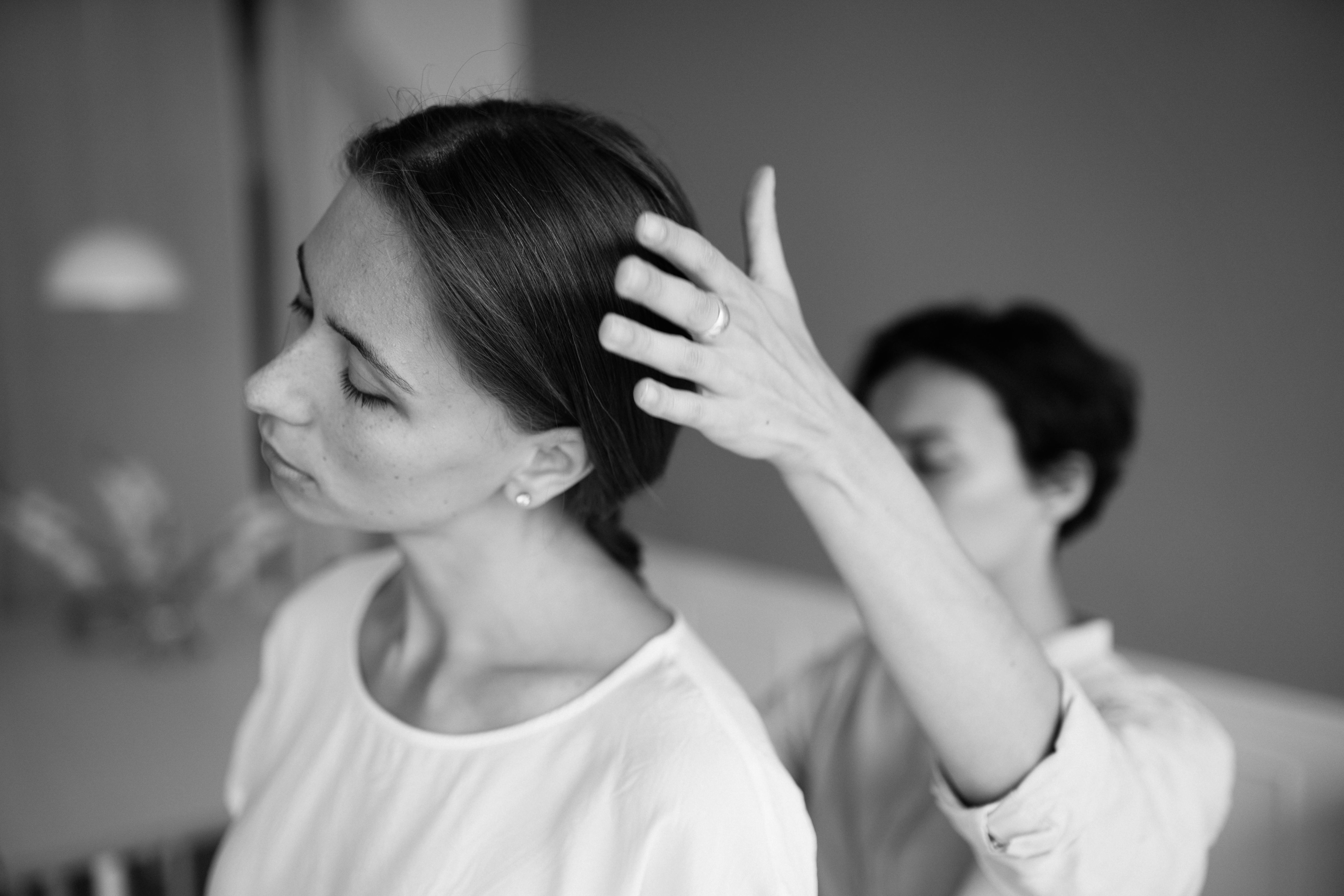
Illness has attracted ceremony in every society, and the ceremony persists even where effective medical treatment is available. Several of its effects are describable without endorsing any particular explanation.
Ritual organises attention and expectation
A structured procedure signals that something significant is being done, and expectation reliably influences reported symptoms, particularly pain, nausea and fatigue.
The effect is well documented in trials, where participants receiving inactive treatment within a convincing procedure frequently report improvement in symptoms.
What changes in these cases is largely the experience and reporting of symptoms rather than the underlying disease, and that distinction is the one most often blurred.
The setting mobilises social support
Healing ceremonies typically involve family and community, who gather, attend and take on responsibilities during the period of illness.
That gathering supplies practical help, food, childcare and company, all of which affect recovery and adherence to whatever treatment is being used.
It also assigns the ill person a recognised status, which relieves them of ordinary obligations and legitimises rest without negotiation.
Ceremony supplies a narrative for uncertainty
Illness raises unanswerable questions about cause and outcome, and ritual provides a framework in which those questions have a form even when they lack answers.
Anthropologists studying healing rites have noted that they frequently address meaning and relationship rather than physical cause, and that participants often understand this clearly.
Where a condition cannot be cured, that function does not diminish. Ritual around dying serves the same purpose without any expectation of physical change.
The practitioner relationship carries measurable weight
Attention, unhurried listening and confident explanation are associated with better reported outcomes across a range of conditions, independently of the treatment given.
Traditional healing roles concentrate these features deliberately, with time, ceremony and full attention built into the encounter.
Modern clinical settings often compress exactly those elements, which is one reason the comparison has attracted research interest.
The boundary has to be stated plainly
None of this establishes that a ritual acts on disease, and treating symptom improvement as evidence of cure is the central error in this area.
Serious harm occurs when ceremony replaces treatment for conditions that respond to medicine, particularly infection, cancer and diabetes.
Used alongside care rather than instead of it, ritual addresses the parts of illness that medicine handles least well, which is where its contribution can be described honestly.