
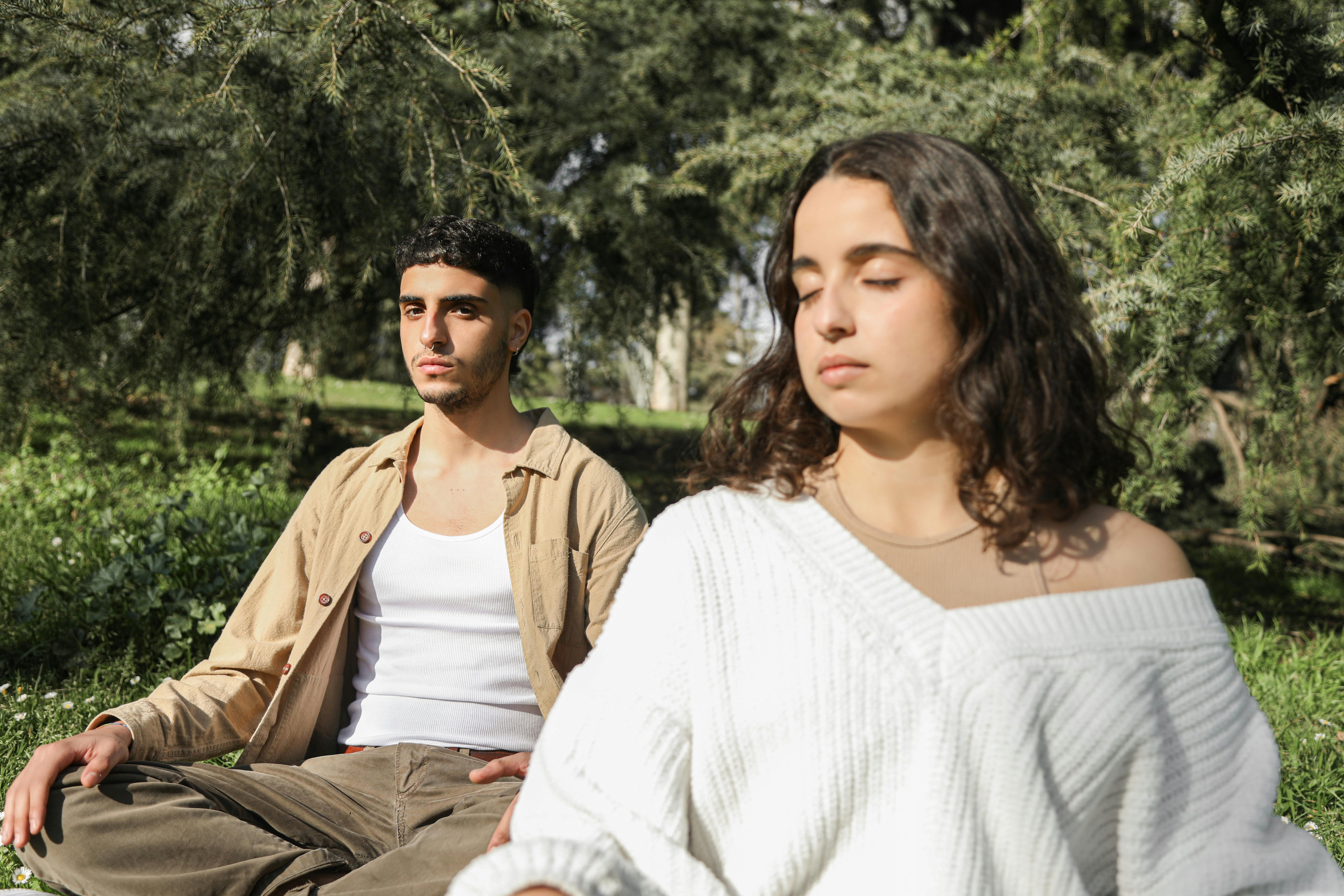
Discover the cutting-edge fusion of artificial intelligence and neurofeedback transforming mindfulness in 2026. Explore revolutionary AI meditation apps, biofeedback wearables, and personalized digital wellness solutions designed to reduce stress, enhance focus, and unlock your brain's optimal state. Compare top products and services to invest in your ultimate inner peace and cognitive performance.
Introduction to the Topic
In 2026, the relentless pace of modern life continues to push the boundaries of our mental resilience. Digital distractions, always-on work culture, and global anxieties demand more from our minds than ever before. While traditional mindfulness practices have offered solace for centuries, a new frontier is emerging, promising unprecedented levels of personalized calm and cognitive enhancement: the integration of Artificial Intelligence (AI) and Neurofeedback technology into our daily routines. This isn't just about guided meditations anymore; it's about a data-driven, hyper-personalized revolution in mental well-being, designed to help you not just cope, but truly thrive. Welcome to the future of inner peace, where your brain's unique patterns are the key to unlocking unparalleled tranquility and focus.
This article will delve into how these advanced technologies are reshaping the mindfulness landscape, offering solutions that were once the realm of science fiction. We'll explore the science, hear from experts, and most importantly, guide you through the best AI-powered mindfulness apps, neurofeedback devices, and immersive digital experiences available today, empowering you to make informed choices for your mental health investment. If you're looking to upgrade your well-being toolkit and achieve lasting calm, you've come to the right place.
Backgrounds & Facts
For decades, mindfulness has been celebrated for its ability to reduce stress, improve focus, and foster emotional regulation. However, conventional methods often require significant self-discipline and consistency, which can be challenging in our hyper-stimulated world. Many individuals struggle to maintain a regular practice, find it difficult to personalize meditations to their specific needs, or simply don't know if they're 'doing it right.' This is where the synergy of AI and neurofeedback steps in, addressing these pain points with scientific precision and dynamic adaptability.
AI-powered mindfulness platforms leverage sophisticated algorithms to analyze vast amounts of user data – from biometric inputs like heart rate variability (HRV) and sleep patterns to in-app engagement and emotional logging. This data allows AI to create truly personalized meditation scripts, adaptive soundscapes, and even predictive stress alerts, guiding users through practices that are precisely tuned to their current mental and physiological state. Imagine a meditation app that knows you're about to feel overwhelmed before you do, offering a proactive intervention.
Neurofeedback, a form of biofeedback, takes this a step further by directly training brainwave activity. Devices, often worn as headbands or sensors, monitor your brainwaves (e.g., alpha for relaxation, theta for creativity, beta for focus). Through auditory or visual cues, the technology provides real-time feedback, helping you learn to voluntarily regulate your brain states. For instance, if your brain activity drifts from a desired state of calm, the feedback might subtly shift, prompting you to adjust your focus. This direct, measurable brain training offers a powerful, evidence-based pathway to enhanced cognitive control and emotional stability. The global digital wellness market, driven by these innovations, is projected to exceed $200 billion by 2028, reflecting a massive investment by consumers and corporations alike in these advanced mental health solutions.
Expert Opinion / Analysis
“The integration of AI and neurofeedback isn't just an evolution; it's a paradigm shift in how we approach mental well-being,” states Dr. Elara Vance, a leading Neuro-Mindfulness Ethicist and researcher at the Institute for Digital Well-being. “For too long, mindfulness has been a 'one-size-fits-all' endeavor. These technologies usher in an era of hyper-personalization, making practices more accessible, engaging, and demonstrably effective.”
Dr. Vance emphasizes several key advantages. “AI's ability to learn and adapt to an individual's unique physiological and psychological profile means that every session is optimized for maximum impact. This adaptive learning loop ensures that users receive the most relevant guidance, whether they're struggling with anxiety, seeking to boost focus, or aiming for deeper meditative states.” She also highlights the objective feedback provided by neurofeedback. “Unlike subjective self-assessment, neurofeedback offers real-time, measurable data on brain activity. This empowers individuals to understand their own brain better and actively train it, fostering a sense of agency and accelerating skill acquisition in self-regulation.”
However, Dr. Vance also cautions about the ethical considerations. “With great power comes great responsibility. The collection of sensitive biometric and psychological data necessitates robust privacy protocols and transparent AI ethics. Users must be assured that their data is secure and used solely for their benefit. Furthermore, while these tools are incredibly powerful, they are augmentations, not replacements, for human connection, professional therapy when needed, or the intrinsic value of simple, unplugged reflection. The goal is to enhance our capacity for inner peace, not to outsource our entire internal experience to an algorithm.” Her analysis underscores that the future of mindfulness is a thoughtful blend of advanced technology and timeless human wisdom.
💰 Best Options in Comparison (VERY IMPORTANT)
Navigating the burgeoning market of AI-powered mindfulness and neurofeedback solutions can be daunting. To help you make an informed investment in your well-being, we've curated a comparison of the leading innovations in 2026, categorized by their primary function and user experience.
1. AI-Powered Meditation & Coaching Apps
- Zenith AI: Billed as your 'predictive peace companion,' Zenith AI utilizes advanced machine learning to analyze your biometric data (wearable integration), calendar, and even environmental factors to predict stress triggers before they manifest. It then proactively suggests personalized meditations, breathwork, or micro-mindfulness exercises. Its adaptive soundscapes dynamically respond to your real-time physiological state, ensuring optimal relaxation or focus.
- MindFlow Pro: Beyond personalized meditations, MindFlow Pro integrates an AI-driven coaching module that learns your emotional patterns and offers conversational support and goal setting. It boasts seamless integration with smart home devices, allowing for ambient mood lighting and scent diffusion synchronized with your mindfulness practice. It also features a vibrant, moderated community forum for shared experiences.
2. Advanced Neurofeedback & Biofeedback Wearables
- NeuroCalm Band 3.0: This sleek, non-invasive headband provides real-time EEG brainwave monitoring. Using haptic feedback (subtle vibrations) and auditory cues, it gently guides your brain towards desired states – whether it's deep alpha for relaxation, high alpha for creativity, or focused beta for productivity. It includes dedicated programs for sleep optimization and stress resilience, with detailed progress tracking.
- BioSync Headset: A more comprehensive device, the BioSync Headset incorporates EEG, ECG (heart rate variability), and skin conductance sensors for a holistic biofeedback experience. It offers gamified brain training exercises that challenge you to maintain specific mental states, making neurofeedback engaging and fun. Its companion app provides in-depth analytics, showing your progress in areas like emotional regulation and cognitive agility.
3. Immersive VR/AR Mindfulness Experiences
- AuraVerse VR: Step into breathtaking, photorealistic virtual environments designed for deep immersion. AuraVerse offers guided multi-sensory meditations, allowing you to choose from serene natural landscapes, futuristic zen gardens, or even abstract light and sound journeys. It includes social VR rooms for group meditations, fostering a sense of connected tranquility.
- TranquilLens AR: For mindfulness on the go, TranquilLens AR overlays calming visual and auditory prompts onto your real-world environment via smart glasses (e.g., Apple Vision, Google Glass). It offers AR-guided breathwork, walking meditations that highlight natural beauty, and even environmental biofeedback that subtly shifts your perception based on your stress levels, turning any space into a sanctuary.
To help you choose the best fit for your needs and budget, here's a detailed comparison:
| Feature/Product | Zenith AI (App) | MindFlow Pro (App) | NeuroCalm Band 3.0 (Wearable) | BioSync Headset (Wearable) | AuraVerse VR (VR) | TranquilLens AR (AR) |
|---|---|---|---|---|---|---|
| Core Function | Personalized AI Meditations | AI Coach & Community | Brainwave Training | Multi-Sensor Biofeedback | Immersive VR Meditation | AR-Guided Mindfulness |
| Key Differentiator | Predictive Stress Alerts | Smart Home Integration | Haptic Focus Training | Gamified Brain Health | Social VR Spaces | Real-World Overlay |
| Price Model | Subscription ($19.99/mo) | Subscription ($24.99/mo) | Device ($399) + Optional Premium ($9.99/mo) | Device ($549) + Premium ($14.99/mo) | One-time ($49.99) + Pack Add-ons | App (Free) + AR Pack ($9.99/mo) |
| Target User | Busy Professionals | Community-Oriented Users | Focus & Sleep Seekers | Cognitive Performance | Escapists, Deep Dives | On-the-Go Mindfulness |
| Compatibility | iOS, Android, Web | iOS, Android, Smart Home | iOS, Android, Desktop | iOS, Android, Desktop | VR Headsets (Meta, Vive, etc.) | AR Devices (Apple Vision, etc.) |
Outlook & Trends
The trajectory of AI and neurofeedback in mindfulness points towards an even more integrated and pervasive future. By 2028, we can anticipate these technologies seamlessly blending into our daily lives, moving beyond dedicated apps and wearables into smart home environments, predictive health platforms, and even public spaces. Imagine your smart home subtly adjusting lighting and soundscapes based on your real-time stress levels detected by ambient sensors, or receiving a personalized 'mindfulness prescription' from your doctor, powered by AI analysis of your long-term biometric data.
Further innovations will likely include more sophisticated 'neuro-personalized' ecosystems, where devices communicate to create a holistic picture of your mental state, offering proactive interventions and long-term cognitive training. Ethical AI will remain a critical focus, with increased emphasis on data transparency, user control, and bias mitigation to ensure these powerful tools are used responsibly and equitably. We may also see the rise of 'digital detox' tools that are themselves AI-powered, guiding users to intelligently disconnect while still leveraging technology for deeper well-being. The future promises a world where inner peace is not just an aspiration but an accessible, data-driven reality.
Conclusion
The year 2026 marks a pivotal moment in the evolution of mindfulness. The fusion of AI and neurofeedback is transforming abstract concepts of inner peace and focus into tangible, measurable, and highly personalized experiences. From AI-driven meditation apps that anticipate your needs to neurofeedback wearables that train your brain for optimal performance, these technologies offer powerful new pathways to mental well-being. They empower us to move beyond traditional practices, providing tools that are adaptive, engaging, and deeply effective in our hyper-connected world.
Investing in these cutting-edge solutions isn't just about adopting a new gadget; it's about making a profound commitment to your cognitive health, emotional resilience, and overall quality of life. As you explore the diverse options available, consider what best aligns with your personal goals – whether it's enhanced focus for work, deeper relaxation for sleep, or a more profound sense of calm amidst life's demands. The future of mindfulness is here, and it's intelligent, personalized, and ready to help you unlock your brain's full potential. Choose wisely, invest in your future self, and embark on a journey to unprecedented inner peace.